A Beginner’s Guide to Road Cycling: Everything You Need to Know Before Your First Ride

James Whitfield
29 May 2026
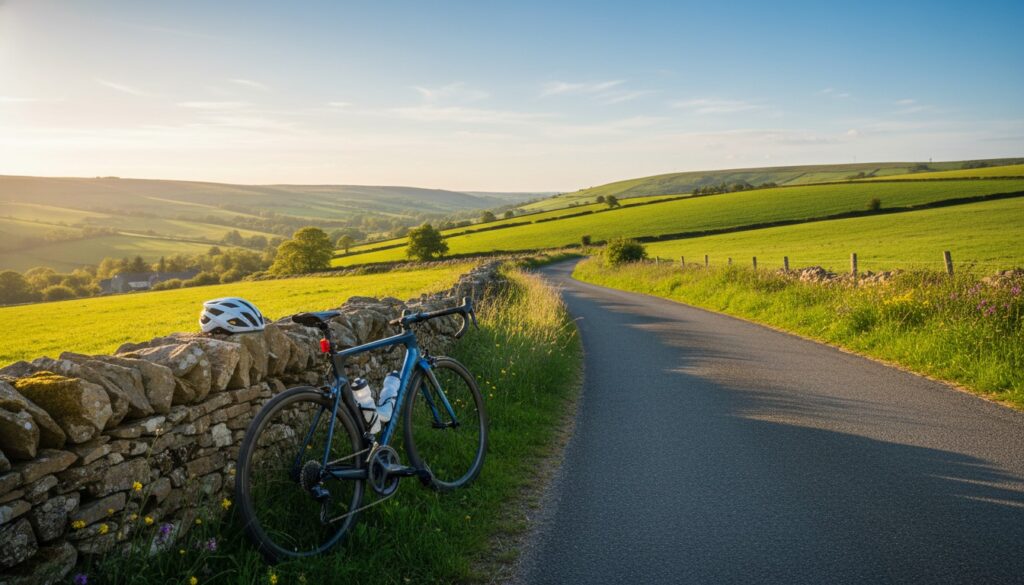
A Beginner’s Guide to Road Cycling: Everything You Need to Know Before Your First Ride
There’s something magical about clipping into your pedals, feeling the smooth hum of tires on asphalt, and watching the world blur past as you power yourself forward on two wheels. Road cycling is one of the most rewarding, exhilarating, and accessible forms of exercise and recreation available — but getting started can feel incredibly overwhelming.
Between the dizzying array of bike options, the skin-tight clothing, the unfamiliar terminology, and the unspoken rules of the road, it’s easy to feel like you need a degree just to show up for your first ride. But here’s the truth: every seasoned cyclist was once a complete beginner. And with the right guidance, you can skip the most common mistakes and start your cycling journey with confidence.
In this comprehensive guide, we’ll walk you through everything you need to know — from choosing your first road bike to mastering essential riding techniques, understanding road etiquette, and building the fitness foundation that will keep you coming back for more.
Let’s get rolling.
Choosing Your First Road Bike
Your bike is the single most important investment you’ll make as a new cyclist. The good news? You don’t need to spend a fortune to get a quality ride. The bad news? The options can be paralyzing. Let’s simplify things.
Understanding Bike Types
Not all road bikes are created equal. Here are the main categories you’ll encounter:
- Race Bikes — Aggressive geometry, lightweight frames, and aerodynamic positioning. Great for speed, but not always comfortable for beginners on longer rides.
- Endurance Bikes — A more relaxed, upright riding position with slightly wider tires. This is the sweet spot for most beginners. They’re forgiving, comfortable, and still plenty fast.
- Gravel Bikes — Versatile bikes designed for mixed surfaces. If you want to explore unpaved paths alongside road riding, a gravel bike offers incredible flexibility.
- Aero Bikes — Designed to cheat the wind with tube shapes optimized for aerodynamics. Typically more expensive and less comfortable — best saved for later.
- Entry-level (£500–£1,000 / $600–$1,200): Aluminum frame, reliable components, perfect for learning and building fitness.
- Mid-range (£1,000–£2,500 / $1,200–$3,000): Better groupsets (Shimano 105 or SRAM Rival), lighter frames, possibly carbon forks.
- High-end (£2,500+ / $3,000+): Full carbon frames, electronic shifting, premium wheels. Aspirational, but unnecessary for beginners.
- Frame size — Most manufacturers provide sizing charts based on your height and inseam. Use these as a starting point.
- Saddle height — When seated, your leg should have a slight bend (about 25–30 degrees) at the bottom of the pedal stroke.
- Reach — You should be able to comfortably reach the handlebars without overstretching or hunching.
- Professional bike fit — If your budget allows, invest in a professional bike fitting session. It typically costs £100–£200 and can transform your riding experience.
- Helmet — This is non-negotiable. Look for a helmet that meets safety standards (CPSC, CE, or MIPS-certified), fits snugly, and has good ventilation. Expect to spend £40–£150.
- Cycling shorts (with chamois pad) — The padded insert in cycling shorts is a game-changer for comfort. Trust us — your sit bones will thank you. Bib shorts are preferred by most cyclists for their secure fit.
- Water bottles and cages — Hydration is critical. Most road bikes have mounting points for two bottle cages.
- Tire repair kit — A spare inner tube, tire levers, and a mini pump or CO2 inflator. Flats happen — be prepared.
- Front and rear lights — Even if you plan to ride during the day, lights significantly increase your visibility to drivers.
- Cycling jersey — Moisture-wicking fabric and rear pockets for storing snacks, phone, and keys.
- Cycling gloves — Reduce vibration and protect your palms in case of a fall.
- Sunglasses — Protect your eyes from UV rays, wind, and road debris.
- Cycling computer or GPS — Track your speed, distance, elevation, and heart rate. Devices like the Garmin Edge series or Wahoo ELEMNT are popular choices.
- Clipless pedals and shoes — Despite the confusing name, “clipless” pedals actually clip in to special cycling shoes. They improve pedaling efficiency dramatically but have a learning curve (expect a few awkward falls at traffic lights!).
- Relax your shoulders — Drop them away from your ears. Tension in the shoulders leads to neck and back pain.
- Bend your elbows slightly — This acts as a natural shock absorber and gives you better bike control.
- Engage your core — A strong core supports your upper body and takes pressure off your hands and lower back.
- Look ahead, not down — Keep your eyes focused 15–20 meters ahead. This improves your reaction time and helps you anticipate obstacles.
- Left shifter controls the front derailleur (big changes in resistance — think of it as your “hill” gear).
- Right shifter controls the rear derailleur (fine-tuning your cadence and effort level).
- Shift before you need to — Anticipate hills and headwinds. Shifting under heavy load can damage your drivetrain.
- Aim for a cadence of 80–95 RPM — This is the sweet spot where most cyclists are most efficient.
- Use both brakes simultaneously — The front brake provides about 70% of your stopping power, but using it alone can send you over the handlebars.
- Brake before corners, not during — Scrubbing speed before a turn allows you to maintain control through the curve.
- Feather your brakes — Gentle, progressive pressure is safer and more effective than grabbing the brakes suddenly.
- Slow down before the corner.
- Look through the turn to where you want to go — your bike follows your eyes.
- Lean the bike, not your body.
- Keep the outside pedal down and apply slight pressure.
- Accelerate smoothly out of the turn.
- Ride with traffic, not against it — Always ride in the same direction as vehicles.
- Obey traffic signals and signs — Red lights, stop signs, and yield signs apply to cyclists too.
- Use hand signals — Indicate your intentions clearly. Left arm out for a left turn, right arm out for a right turn, and a downward gesture to indicate stopping.
- Be visible — Wear bright or reflective clothing, especially in low-light conditions. Use lights at dawn, dusk, and night.
- Stay predictable — Ride in a straight line, avoid weaving between parked cars, and don’t make sudden movements.
- Hold your line — Don’t swerve or overlap wheels with the rider in front of you.
- Call out hazards — Shout “hole,” “car back,” “slowing,” or “stopping” to alert other riders.
- Don’t half-wheel — Riding half a wheel ahead of the person next to you is considered poor etiquette and pushes the pace unnecessarily.
- Take your turn at the front — In a paceline, everyone shares the work of cutting through the wind.
- Be courteous — Thank drivers who give you room, wave to fellow cyclists, and be patient with riders who are slower than you.
- Start with short rides — 30–45 minutes is plenty for your first few outings. Focus on getting comfortable on the bike.
- Ride at a conversational pace — If you can’t hold a conversation, you’re going too hard. Building an aerobic base is more important than speed right now.
- Ride consistently — Three rides per week is a great starting point. Consistency beats intensity every time.
- Rest and recover — Your body adapts and grows stronger during rest, not during the ride itself.
- Short-term: Complete a 30-mile ride without stopping.
- Medium-term: Join a local cycling club or group ride.
- Long-term: Participate in a sportive, gran fondo, or charity ride.
- Before riding: Eat a light, carbohydrate-rich meal 1–2 hours before your ride.
- During riding: For rides over 60 minutes, consume 30–60 grams of carbohydrates per hour (energy gels, bars, or bananas work well).
- After riding: Replenish with a mix of protein and carbohydrates within 30 minutes of finishing.
- Hydration: Drink 500ml of water per hour as a baseline, more in hot conditions. Consider electrolyte tablets for longer rides.
- Riding in too hard a gear — Grinding a big gear at low cadence is inefficient and hard on your knees. Spin lighter gears at a higher cadence.
- Neglecting bike maintenance — Keep your chain clean and lubricated, check tire pressure before every ride, and get your bike serviced regularly.
- Skipping the chamois cream — On longer rides, chamois cream prevents chafing and saddle sores. Don’t learn this lesson the hard way.
- Ignoring pain — Discomfort is normal when you’re new. Pain is not. If something hurts persistently, address it — it’s usually a fit issue.
- Comparing yourself to others — Everyone progresses at their own pace. The only person you should compare yourself to is the rider you were last week.
Pro Tip: For your first road bike, prioritize comfort and fit over speed and aesthetics. A bike that fits you well will make every ride more enjoyable and reduce the risk of injury.
Setting Your Budget
Here’s a realistic breakdown of what to expect:
Getting the Right Fit
A poorly fitting bike will cause discomfort, pain, and potentially serious injury over time. Here’s what to consider:
Essential Gear and Equipment
Beyond the bike itself, there are several pieces of gear that will make your rides safer, more comfortable, and more enjoyable.
The Non-Negotiables
These items are essential from day one:
Nice-to-Have Gear
As you progress, consider adding:
Beginner’s Note: Don’t feel pressured to buy everything at once. Start with the essentials and add gear gradually as you identify what enhances your riding experience.
Mastering Basic Riding Techniques
Having the right bike and gear is only half the equation. Developing solid riding fundamentals early on will make you a safer, more efficient, and more confident cyclist.
Proper Riding Posture
Good posture on the bike prevents fatigue, reduces the risk of injury, and improves your power output:
Shifting Gears
Gear shifting is one of the most confusing aspects for new road cyclists, but it’s simpler than it seems:
Braking Effectively
Braking seems straightforward, but there’s a technique to it:
Cornering with Confidence
Cornering is an art that takes practice:
Road Safety and Cycling Etiquette
Sharing the road with vehicles, pedestrians, and other cyclists requires awareness, predictability, and mutual respect.
Rules of the Road
Group Riding Etiquette
If you join a group ride (which we highly recommend for motivation and learning), here are the unwritten rules:
Remember: You are an ambassador for all cyclists. Every positive interaction with a driver or pedestrian makes the road safer for everyone.
Building Your Fitness and Enjoying the Journey
One of the most common mistakes new cyclists make is doing too much, too soon. Road cycling is a lifetime sport — there’s no rush.
Your First Few Weeks
Setting Goals
Goals give your riding purpose and direction:
Nutrition Basics
Fueling your rides properly makes a huge difference:
Tracking Your Progress
Apps like Strava, Garmin Connect, and Wahoo allow you to track every ride, monitor your improvement, and connect with a global community of cyclists. Seeing your progress over weeks and months is incredibly motivating.
Common Beginner Mistakes to Avoid
Learn from the mistakes that nearly every new cyclist makes:
Conclusion
Road cycling is a sport that offers endless rewards — improved fitness, mental clarity, a sense of adventure, and a welcoming community of like-minded people. The learning curve can feel steep at first, but every pedal stroke brings you closer to the rider you want to become.
Don’t overthink it. Don’t wait until you have the “perfect” setup. Get a bike that fits, grab a helmet, and go ride. The road is waiting for you, and it has a funny way of answering questions you didn’t even know you had.
The most important ride of your cycling journey is the very first one. So go take it.
Ready to Start Your Cycling Journey?
We’d love to hear from you! Drop a comment below and tell us about your cycling goals, questions, or the thing that’s been holding you back from getting started. If you found this guide helpful, share it with a friend who’s been thinking about getting into road cycling.
Looking for more beginner cycling content? Subscribe to our newsletter for weekly tips, gear reviews, route recommendations, and inspiration to keep you pedaling. Your next adventure starts here. 🚴♂️